Japan — Stillness & Substance
1
October
6
Highlights
- | Conférence
75008 , PARIS
Informations
Thursday, October 1: Lecture 6–7 p.m (Limited seating, by invitation only). and opening reception 7–9 p.m.
Friday, October 2: 10 a.m.–6 p.m.
Saturday, October 3: 11 a.m.–6 p.m.
Sunday, October 4: 2–6 p.m.
Monday, October 5: 10 a.m.–6 p.m
Tuesday, October 6: 10 a.m.–6 p.m
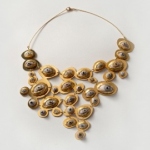
In Japan, jewellery—apart from the kanzashi worn in the hair—has no real place in the traditional repertoire. It was never a marker of power, lineage or wealth; that role belonged to the kimono and the richness of its fabric. From this historical absence arises the singularity of contemporary Japanese jewellery. Freed from symbolic obligation, it appears as an autonomous gesture: meditative, restrained, almost silent.
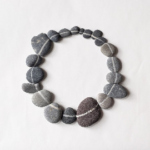
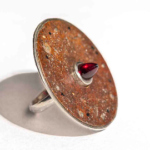
In this open field, material becomes both language and subject. Wood, lacquer, silk, plant fibres and paper—all drawn from nature—carry a powerful sensory and symbolic charge. Chosen for its ability to express what escapes words—a sensation, a memory, a silence—material is never inert. It resists, vibrates, and gives form to the essential aesthetics of Japanese culture: wabi-sabi, ma and shokunin.
Talk — “Japan, Stillness and Substance” October 1, 2026, at 6:00 pm (Limited seating, by invitation only)
Sandrine Merle will have the pleasure of welcoming three artists participating in the exhibition Japan, Stillness and Substance, of which she is the curator: Aya Iwata, Mariko Sumioka, and Shinji Nakaba, who have travelled especially from Japan. Together, they will place contemporary Japanese jewellery in its cultural context—a particularly singular one, as, with the notable exception of kanzashi, the traditional hair ornaments, jewellery remained largely absent from Japan’s cultural repertoire for centuries.
Contemporary Japanese jewellery does not seek to dazzle; rather, it invites us to reconsider our usual criteria of appreciation. To view these works solely through the conventional codes of fine jewellery—brilliance, preciousness, visible virtuosity, or market value—would be to overlook their true intensity.
Artists
Born in Japan, Mariko Sumioka spent part of her childhood in Brazil, where her fascination with jewelry and gemstones began.
She initially worked in the oil and gas industry before turning to jewelry and metalwork. In 2011, she graduated from the Edinburgh College of Art.
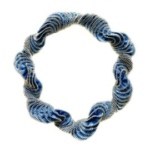
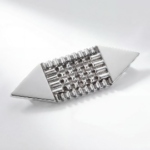
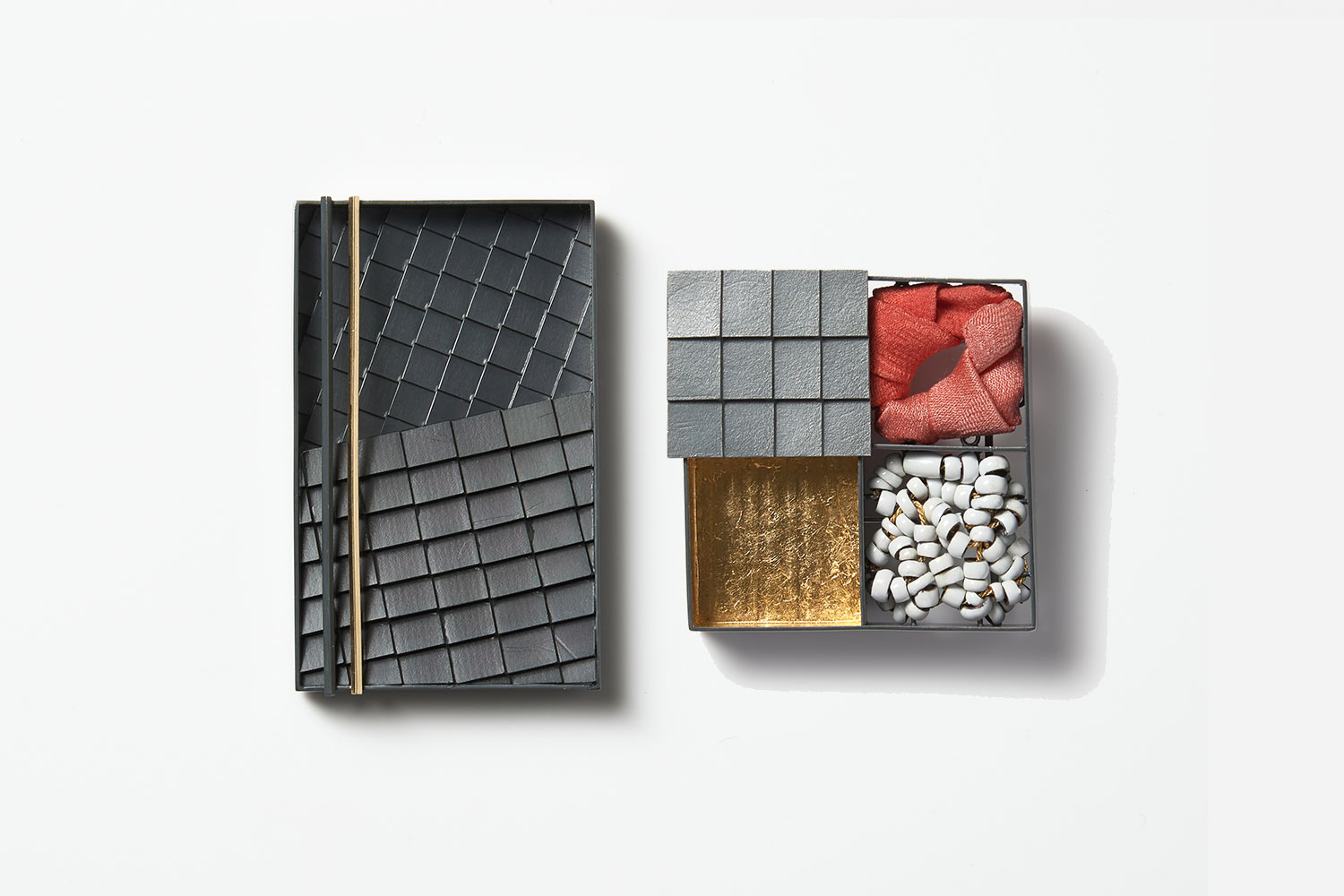
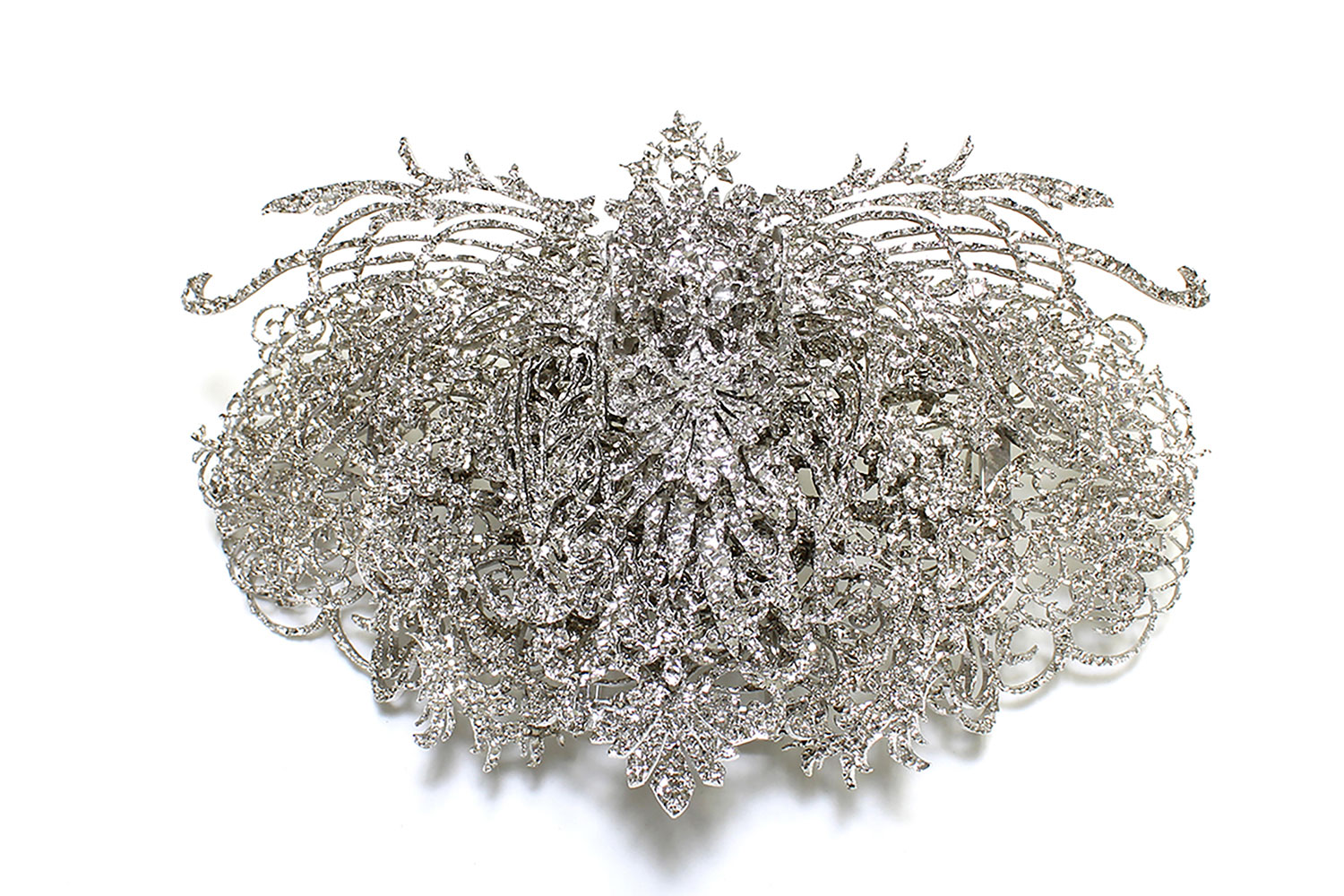
Now based in Tokyo, she draws primary inspiration from Japanese architecture. Her signature technique involves assembling silver elements to create patterns reminiscent of the interlocking roof tiles found on traditional temple roofs. She participates in numerous international exhibitions.
Shinji Nakaba began his jewelry practice in 1974, following his studies at Hiko Mizuno College of Jewelry in Tokyo. Prior to this, he explored various creative fields, including fashion design, studio hairstyling, and shoemaking.
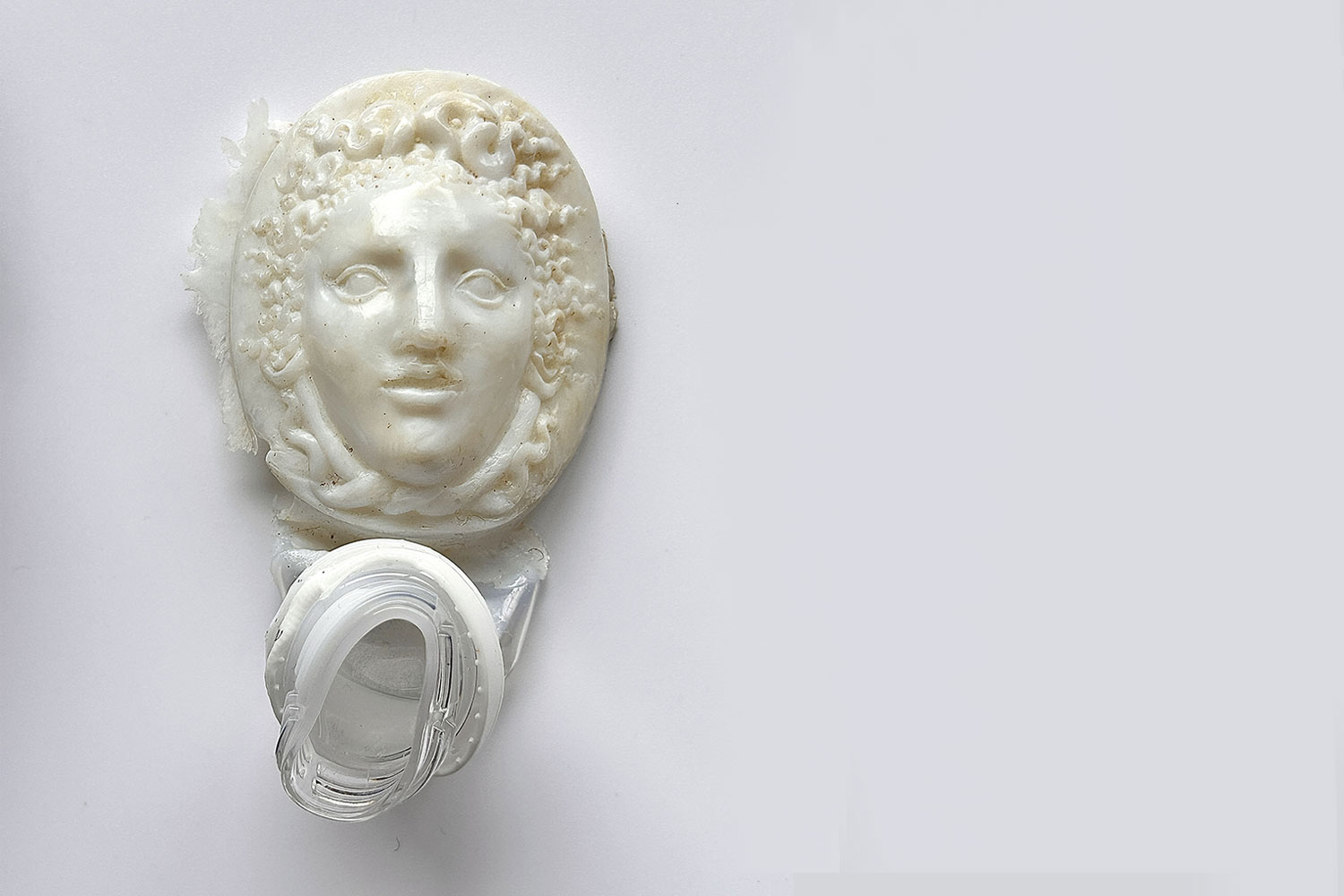
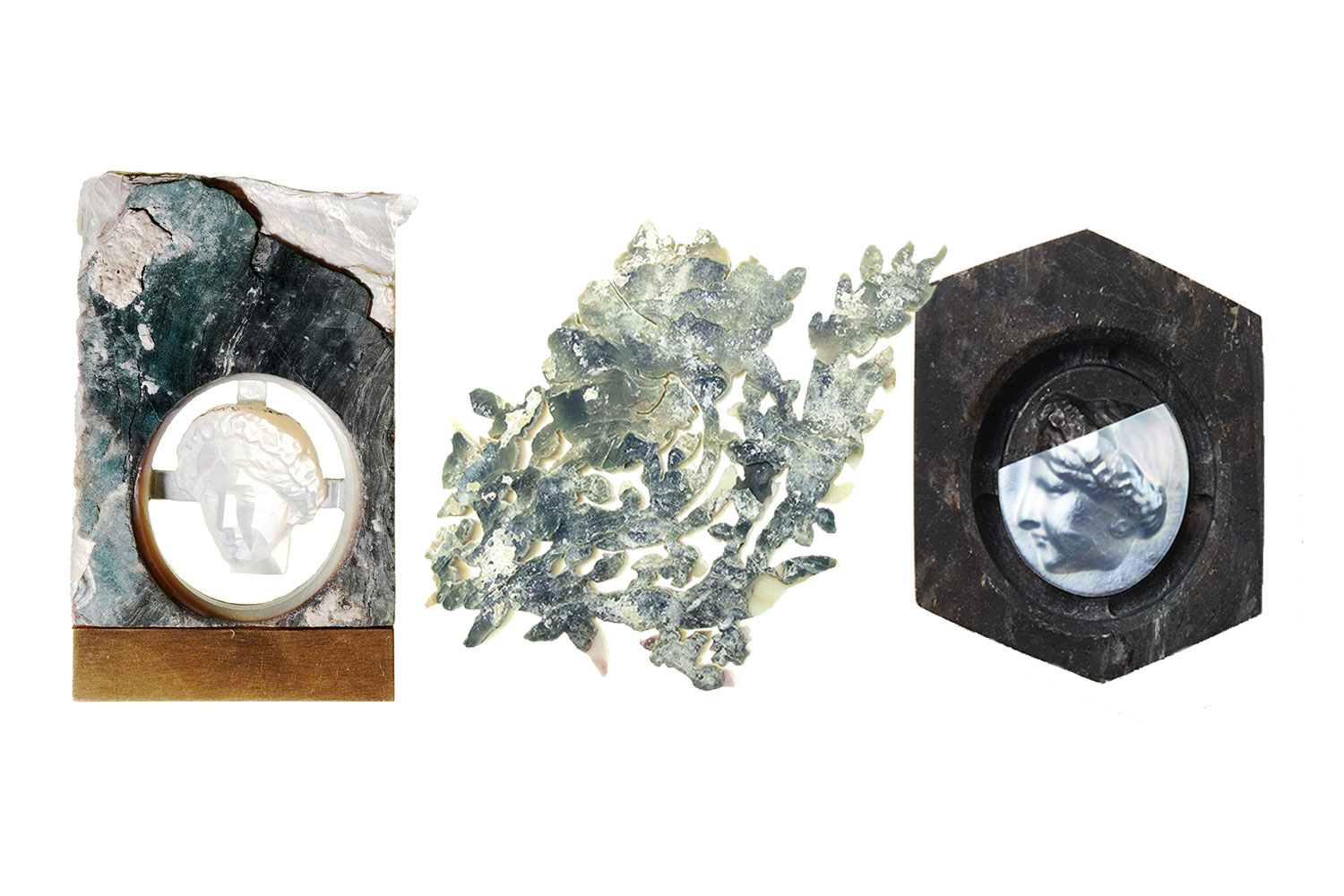
His work is distinguished by a singular use of pearls and by his engagement with glyptic art—the carving of gemstones—through which he develops a sculptural approach to jewelry.
He also incorporates reclaimed materials, expanding the narrative and material complexity of his pieces.
In 2023, Nakaba was a finalist for the LOEWE FOUNDATION Craft Prize.
His works are held in major public collections, including the Museum of Fine Arts, Montreal; the Museum of Fine Arts, Boston; and Espace Solidor (Cagnes-sur-Mer).
Trained under Yasuki Hiramatsu, a pioneer of contemporary jewelry, from 2002 to 2009, Fumiki Taguchi obtained a Master’s degree in metal hammering from the Graduate School of Fine Arts at Tokyo University of the Arts in 2005.
He conducts in-depth research on silver while developing a personal approach to traditional Japanese engraving (wagane-bori).
Taguchi is an Associate Professor at Kobe Design University.
His work is held in collections including the National Museums Scotland (2015), the Museum of Arts and Design (2023), and the RISD Museum (2024). He was also a finalist for the LOEWE FOUNDATION Craft Prize in 2025.
Manami Aoki graduated from Hiko Mizuno College of Jewelry in Tokyo in 2017. In 2019, she received the Talente Prize during Munich Jewellery Week.
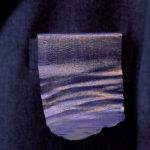
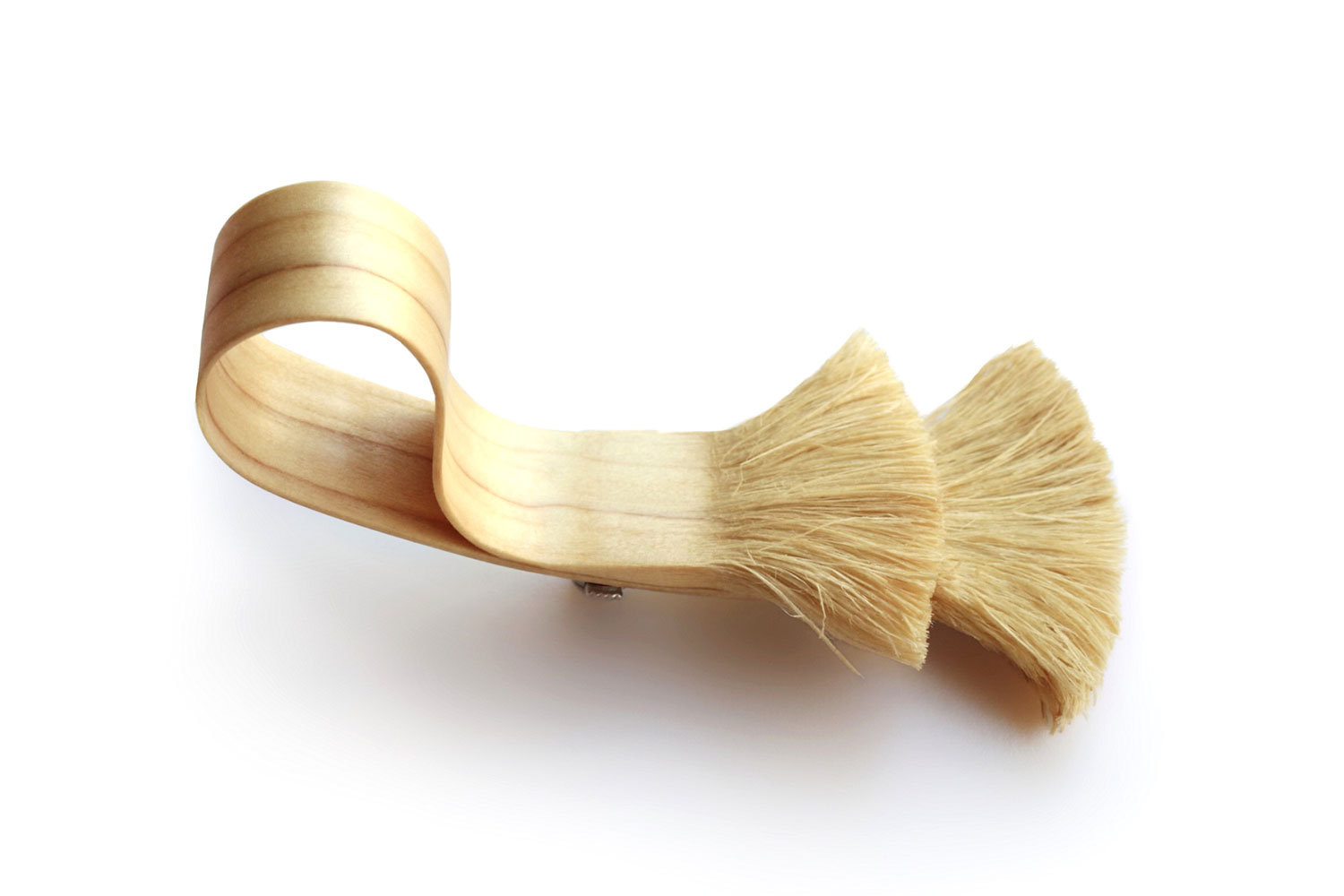
Her work establishes a subtle dialogue with wood, particularly hinoki. She hammers each piece until the fibers emerge, evoking tousled hair upon waking. She then “combs” and styles them to achieve their final form.
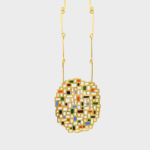
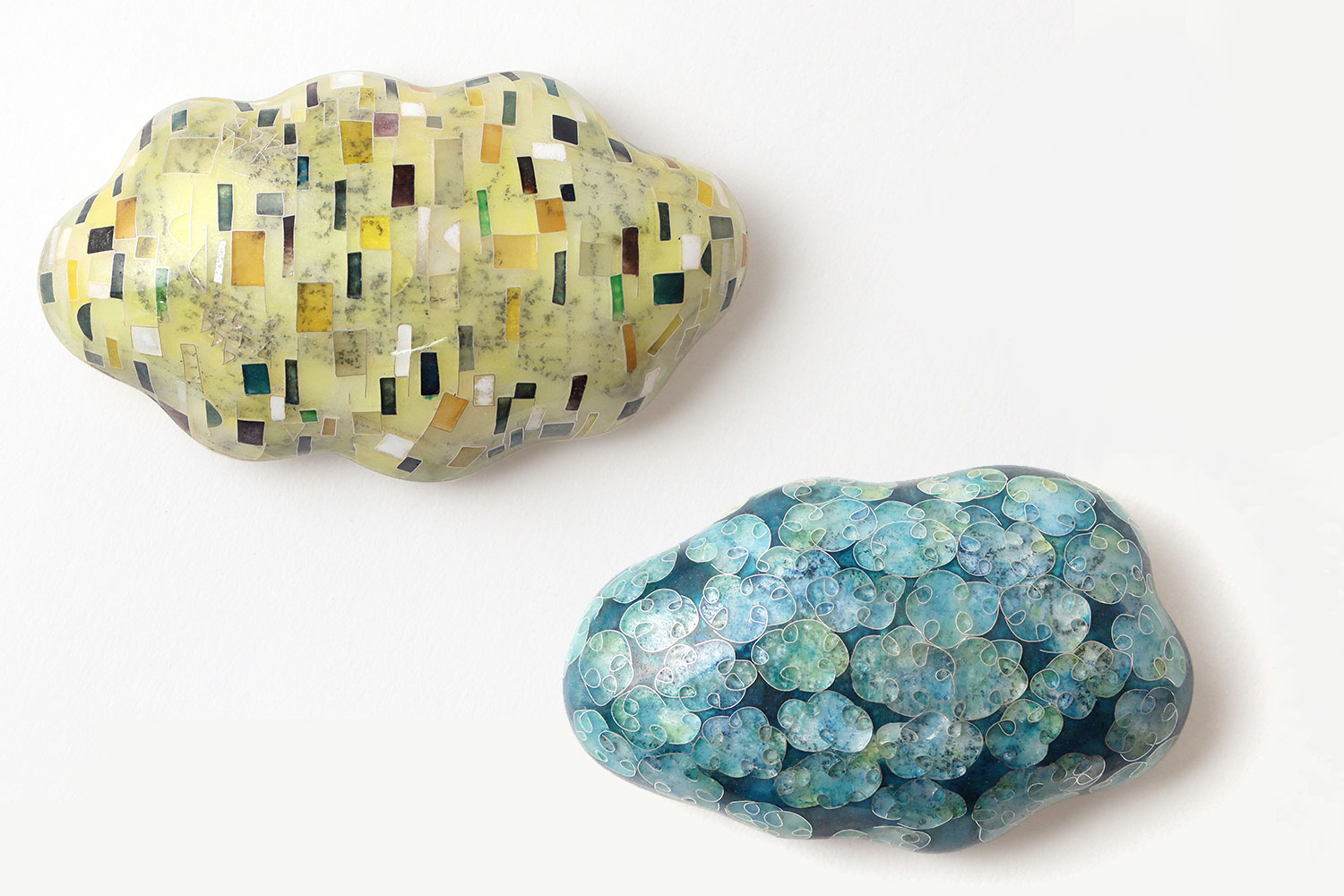
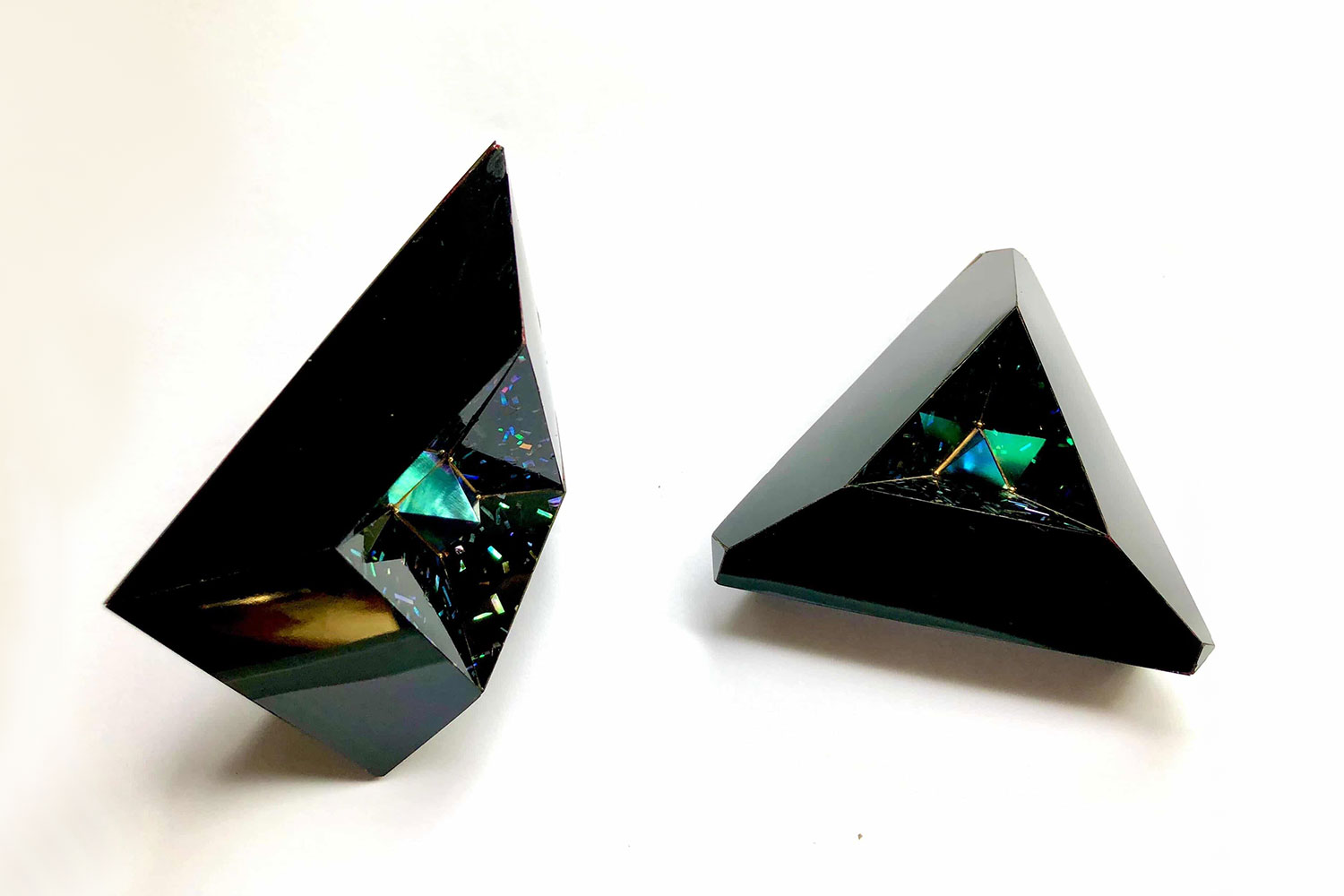
The daughter of artists and a graduate of Tokyo University of the Arts, Aya Iwata works primarily with silver, pâte de verre, and cloisonné enamel, her preferred technique. With her emblematic series of brooches Kumo-noie (“houses in the clouds”), she explores themes of memory, connection, and the passage of time through material and form.
Her work is regularly exhibited internationally and is held in prestigious collections, including the Musée des Beaux-Arts de Limoges.
Born into a family of artists in Kyoto, Takashi Kojima studied architecture at Kyoto University of Art and Design. Since 2010, he has developed his work at his atelier-boutique FACILE in Kyoto.
Takashi Kojima explores the potential of shells used in pearl farming before they are discarded. In particular, he highlights their rough, weathered, and eroded outer surfaces, which are often covered with algae or other marine organisms.
He has exhibited internationally. His pieces are held in collections including the Design Museum Den Bosch and Espace Solidor.
The work of Kimiaki Kageyama, a master Japanese goldsmith, drawns on techniques derived from the making of sword fittings and armor, particularly the use of alloys and urushi lacquer.
His work is distinguished by a particular focus on materials and their transformation, where technical heritage meets a interest in plant forms.
A leading figure in jewelry education in Japan, he was among the first instructors in metalwork at Hiko Mizuno Jewellery College. He has participated in Schmuck (Munich) since 1992.
A recipient of numerous awards, he also leads workshops and lectures internationally.